Product Description
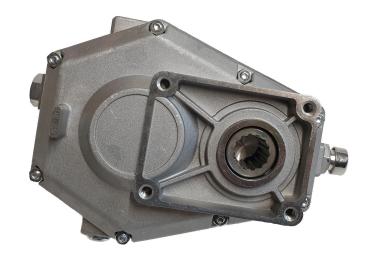
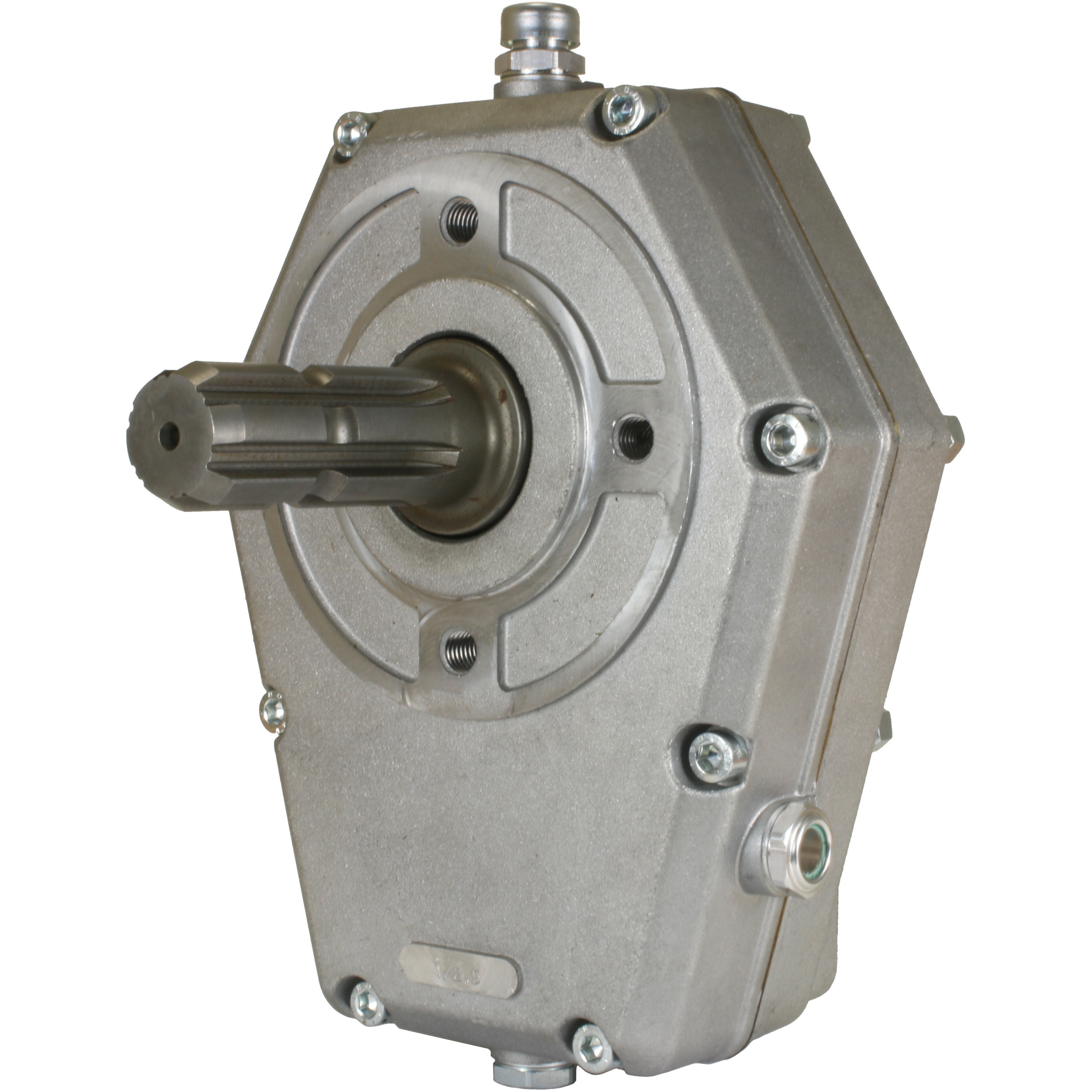
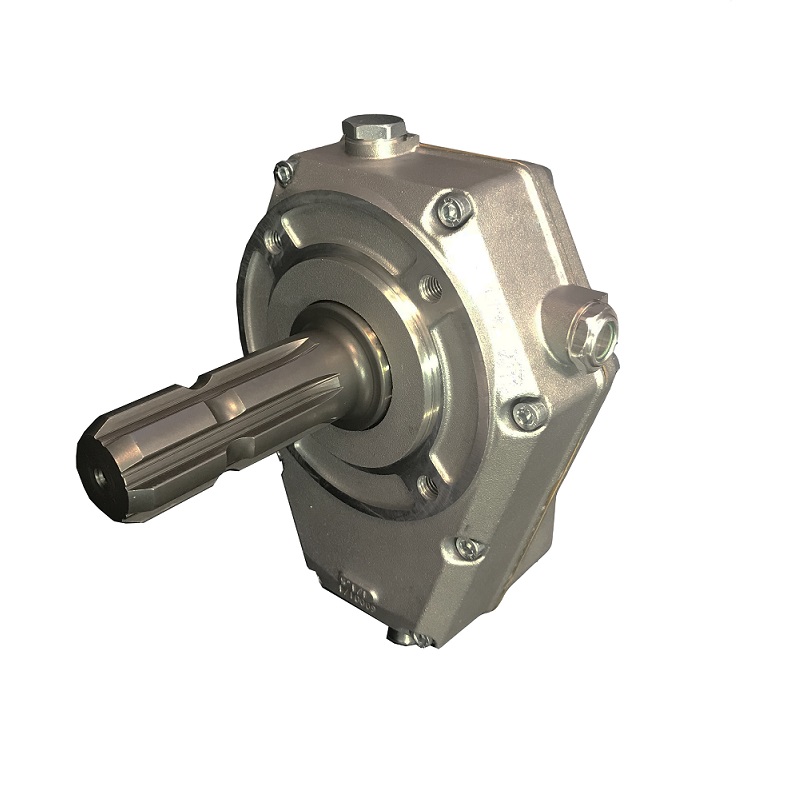
Agriculture Pto Shaft Drive Bevel Gearbox for Lawn Mower Cutter
| Product: | Gear Box |
| Model: | B1101 |
| Size: | 165*202 |
| Delivery Date: | 7-60 Days |
| MOQ: | 100sets or according to stocks without minimum Qty. |
| Sample: | Acceptable |
| We could produce all kinds of Gear Box according to customers’ requirement. | |
About us
We have more than 17 years experience of Spare parts, especially on Drive Line Parts.
We deeply participant in the Auto Spare parts business in HangZhou city which is the most import spare parts production area in China.
We are supply products with good cost performance for different customers of all over the world.
We keep very good relationship with local produces with the WIN-WIN-WIN policy.
Factory supply good and fast products;
We supply good and fast service;
And Customers gain the good products and good service for their customers.
This is a healthy and strong equilateral triangle keep HangZhou Speedway going forward until now.
| Application: | Agricultural Machinery |
|---|---|
| Layout: | Three-Ring |
| Hardness: | Hardened Tooth Surface |
| Installation: | Torque Arm Type |
| Type: | Transmission |
| Technics: | Heat Treatment |
Limitations of Maximum Torque Handling in Miter Gearboxes
Miter gearboxes, like any mechanical component, have limitations to the maximum torque they can handle:
Material Strength: The torque-handling capacity of miter gearboxes is influenced by the strength and durability of the materials used in their construction. If the materials are not sufficiently strong, they may deform or fail under high torque loads.
Gear Tooth Design: The design and geometry of the gear teeth play a crucial role in torque transmission. In miter gearboxes, the size, shape, and angle of the gear teeth impact the torque-carrying capacity. Improper gear tooth design can result in premature wear and reduced torque handling.
Lubrication and Cooling: Adequate lubrication is essential to reduce friction and heat generated during operation. Inadequate lubrication can lead to increased friction, heat buildup, and potential damage to the gears, limiting the gearbox’s torque capacity.
Dynamic Load Factors: The type of load the gearbox experiences, such as shock loads or sudden changes in torque, can impact its torque-handling capability. High dynamic loads can exceed the gearbox’s capacity and lead to failure.
Mounting and Support: The mounting and support of the miter gearbox within the mechanical system can affect its torque-handling capacity. Poorly supported gearboxes may experience misalignment or excessive stress, leading to reduced torque capabilities.
Size and Configuration: The physical size and configuration of the miter gearbox can impact its torque-handling capacity. Larger gearboxes with more robust components may have higher torque limits compared to smaller or more compact designs.
Operating Conditions: Environmental factors such as temperature, humidity, and vibration can affect the torque capacity of miter gearboxes. Extreme conditions can cause material degradation or loss of lubrication efficiency, reducing the gearbox’s overall torque-handling ability.
Manufacturing Tolerances: Variations in manufacturing processes and tolerances can lead to differences in torque capacity between individual gearboxes. Tighter manufacturing tolerances generally result in higher torque handling.
It is important to consider these limitations when selecting and designing miter gearboxes for specific applications. Proper engineering, material selection, lubrication, and operating conditions play a critical role in ensuring that miter gearboxes operate within their intended torque limits and provide reliable performance.
Advantages of Miter Gearboxes Over Other Gear Systems
Miter gearboxes offer distinct advantages in certain scenarios that make them preferred over other types of gear systems:
90-Degree Motion Change: Miter gearboxes excel at changing the direction of motion by 90 degrees. This makes them ideal for applications where a right-angle change in motion is required.
Compact Design: Miter gearboxes have a compact and space-saving design, making them suitable for applications with limited space constraints.
Precision Steering: In automotive steering systems, miter gearboxes provide precise and accurate control over the direction of vehicles, contributing to safe and responsive steering.
Reduced Backlash: Miter gearboxes are designed to minimize backlash, ensuring accurate and smooth motion transfer. This makes them suitable for applications where precision and responsiveness are critical.
Customization: Miter gearboxes can be customized to suit specific torque, speed, and design requirements, making them adaptable to various applications.
Reliable Motion Transmission: Miter gearboxes provide reliable motion transmission and are often chosen for applications where consistent and accurate motion control is essential.
Low Noise and Vibration: The design of miter gearboxes can help reduce noise and vibration, making them suitable for applications where quiet operation is necessary.
Miter gearboxes are preferred in scenarios where their unique design and capabilities align with specific motion control and direction change requirements, offering efficiency, precision, and reliability.
Changing Direction of Rotational Motion with Miter Gearboxes
Miter gearboxes are specialized mechanical devices designed to efficiently change the direction of rotational motion by 90 degrees. They achieve this transformation through the use of bevel gears with intersecting shafts:
- Bevel Gears: Miter gearboxes utilize bevel gears, which have conical-shaped teeth. These gears are cut at an angle to the gear’s face and allow the transmission of motion between two intersecting shafts positioned at a 90-degree angle to each other.
- Intersecting Shafts: The input and output shafts of a miter gearbox are positioned in such a way that they intersect at a right angle. The bevel gears are mounted on these shafts, and when the input shaft rotates, it engages with the teeth of the bevel gear on the output shaft, transferring motion at a right angle.
- Directional Change: As the input shaft rotates, the bevel gear’s teeth mesh and transmit motion from the input shaft to the output shaft. This interaction causes a change in the direction of rotation, redirecting the output motion perpendicular to the input motion.
- Compact Design: Miter gearboxes are known for their compact and space-saving design. The intersecting shafts and bevel gears are housed within the gearbox casing, allowing for efficient motion redirection without the need for additional external components.
Overall, miter gearboxes play a crucial role in changing the direction of rotational motion, making them essential components in various mechanical systems where motion needs to be redirected efficiently and precisely.


editor by CX 2023-10-25